
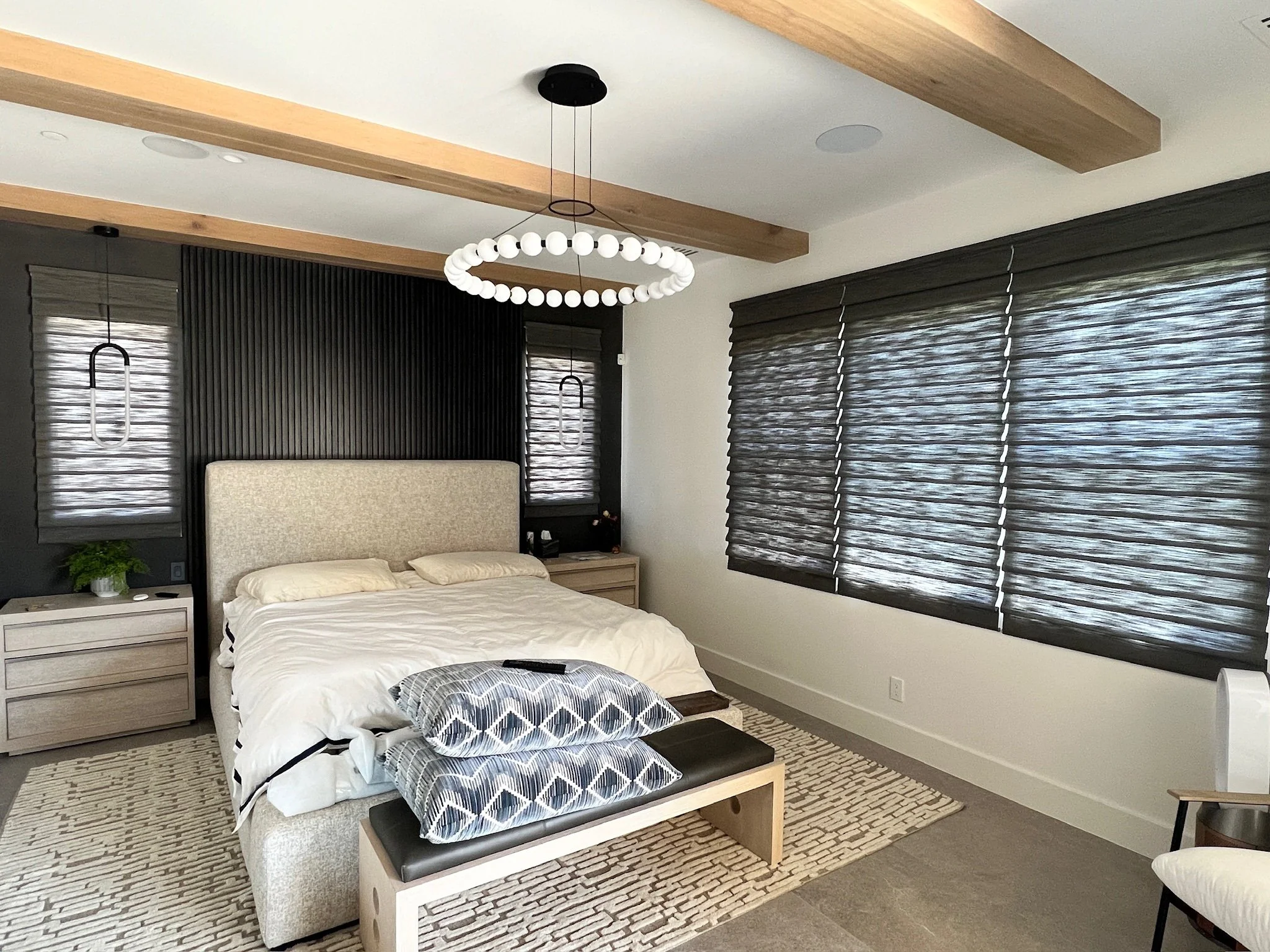
Hunter Douglas Vignette Modern Roman Shades with Powerview Motorization
Understanding Battery-Powered Versus Wired Window Coverings: Comparing the Motorized Shade Power Options
Motorized window coverings are transforming modern homes and offices. They bring convenience, automation, energy efficiency, and sleek design into everyday living. But when homeowners start exploring automation, one key question arises: Should you choose battery-powered shades or wired motorized shades?
This is exactly where the discussion of Battery-Powered Versus Wired Window Coverings: Comparing the Motorized Shade Power Options becomes essential. Both systems offer excellent functionality, but each has unique advantages depending on the installation environment, budget, and long-term expectations.
Battery-powered shades are known for their easy installation and flexibility, while wired systems offer consistent power and long-term reliability. The right choice often depends on whether you're retrofitting an existing home or building a new one.
In this guide, we'll explore the key differences between these two motorized shade power options, helping you understand installation requirements, maintenance needs, cost factors, and smart home compatibility. By the end, you'll have a clear understanding of which solution works best for your space.
What Are Motorized Window Coverings?
Motorized window coverings are window treatments—such as roller shades, cellular shades, or blinds—that operate using a small electric motor instead of manual cords or chains. These systems allow you to control shades with:
Remote controls
Wall switches
Smartphone apps
Smart home systems
Voice assistants
Automation adds convenience, safety, and energy savings. For example, you can schedule shades to close during hot afternoons to reduce cooling costs or open automatically in the morning to let in natural light.
Two primary power options exist:
Battery-Powered Shades: Operate using rechargeable or replaceable batteries inside the shade tube or battery pack
Wired Motorized Shades: Hardwired into your home's electrical system or connected to a low-voltage power supply
Understanding these systems is the foundation of Battery-Powered Versus Wired Window Coverings: Comparing the Motorized Shade Power Options.
How Battery-Powered Motorized Shades Work
Battery-powered shades run using small motors powered by battery packs. These packs may be:
Replaceable alkaline batteries
Rechargeable lithium-ion batteries
External rechargeable battery wands
The battery compartment is typically hidden behind the shade or inside the roller tube for a clean appearance.
Benefits of Battery-Powered Shades
Battery-powered systems are extremely popular for retrofits because they do not require electrical wiring.
Key advantages include:
1. Easy Installation
Battery shades can often be installed in less than an hour without electrical work. This makes them ideal for existing homes.
2. No Wall Damage
Because no wiring is required, there is no need to cut drywall or run cables through walls.
3. Flexible Placement
Battery-powered shades can be installed on nearly any window, including:
High windows
Skylights
Rental properties
Historic homes
4. Lower Upfront Cost
Since electrical work isn't required, the total installation cost is usually lower.
Potential Drawbacks
Despite their convenience, battery systems require periodic maintenance.
Common considerations include:
Batteries must be replaced or recharged
Performance may decrease as batteries drain
Large installations may require frequent maintenance
Typically, batteries last 6 months to 2 years, depending on usage.
How Wired Motorized Shades Work
Wired motorized shades connect directly to your home's electrical system or to a centralized power supply.
They typically use low-voltage wiring that runs through walls or ceilings and connects to the motor inside the shade.
These systems are often installed during new construction or major renovations.
Benefits of Wired Motorized Shades
Hardwired systems offer several long-term advantages.
1. Continuous Power
Wired shades never require battery replacement, providing consistent performance year-round.
2. Ideal for Large Installations
For homes with many windows, wired systems eliminate the need to maintain dozens of batteries.
3. Professional Integration
These systems integrate easily with advanced smart home platforms and building automation systems.
4. Clean, Hidden Setup
Once installed, wiring is completely concealed within walls or ceilings.
Potential Drawbacks
However, wired systems also come with some challenges.
Installation requires electrical work
Higher upfront installation cost
Less flexibility for retrofits
Because of these factors, wired systems are typically installed during construction.
Maintenance and Long-Term Ownership
Maintenance is another important element of Battery-Powered Versus Wired Window Coverings: Comparing the Motorized Shade Power Options.
Battery Shade Maintenance
Battery shades require occasional attention.
Maintenance tasks include:
Replacing batteries
Charging rechargeable packs
Monitoring power levels
However, modern lithium battery packs can last up to a year or more with regular use.
Wired Shade Maintenance
Wired systems require minimal maintenance because they are constantly powered.
Most maintenance involves:
Software updates
Remote or smart hub adjustments
Because there are no batteries to replace, wired systems can be more convenient for homes with many windows.
Smart Home Integration
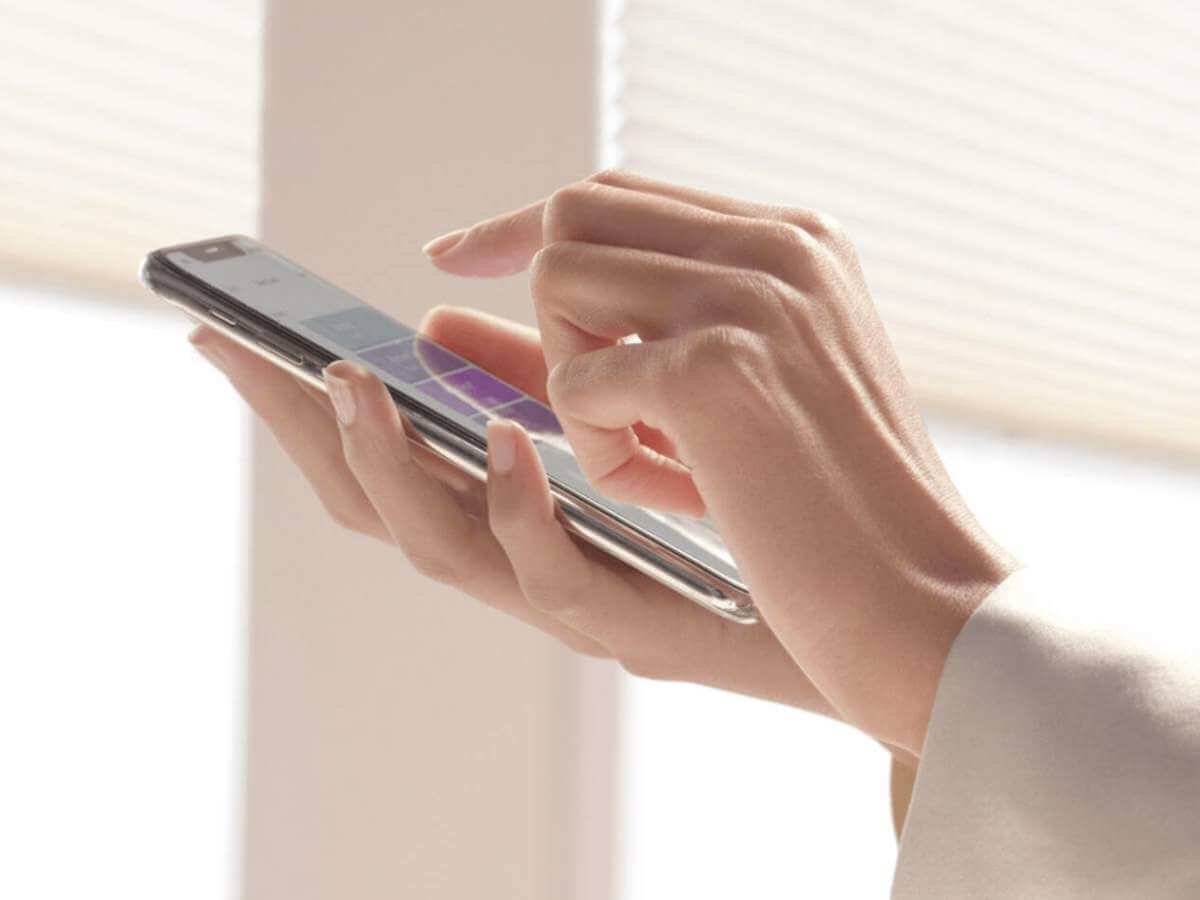
Both battery-powered and wired motorized shades can integrate with modern smart home ecosystems.
Common compatibility includes:
Voice assistants
Smartphone apps
Automation schedules
Whole-home control systems
Popular smart home platforms include:
Amazon Alexa
Google Home
Apple HomeKit
Advanced systems can also connect to home automation platforms like Control4, allowing full-home scene automation.
For example:
Shades close automatically at sunset
Shades open when your alarm goes off
Shades adjust based on sunlight levels
You can learn more about smart home automation systems through resources like the Consumer Technology Association:
https://www.cta.tech
Energy Efficiency and Light Control
Motorized shades can significantly improve home energy efficiency.
Automated shading can help:
Reduce cooling costs in summer
Retain heat in winter
Protect furniture from UV damage
Battery-powered and wired shades both provide the same shading benefits.
However, wired systems are often used in fully automated energy management systems where shades adjust automatically based on sunlight sensors.
When Battery-Powered Shades Are the Best Choice
Battery-powered shades are ideal when:
Retrofitting an existing home
Installing shades in rentals
Avoiding electrical work
Installing shades in small numbers
They are also great for DIY installations.
When Wired Shades Are the Better Option
Wired motorized shades work best when:
Building a new home
Doing a full renovation
Installing shades throughout the entire house
Integrating with advanced automation systems
Many luxury homes use wired systems for whole-home automation reliability.
Future Trends in Motorized Window Coverings
The motorized shade industry continues to evolve rapidly.
Emerging trends include:
Solar-powered shade motors
Ultra-quiet motors
AI-driven automation
Smart sensors for sunlight tracking
These technologies will continue to improve the performance of both battery-powered and wired systems.
FAQs About Battery-Powered Versus Wired Window Coverings: Comparing the Motorized Shade Power Options
1. Are battery-powered motorized shades reliable?
Yes. Modern lithium battery motors are highly reliable and can last up to two years depending on usage.
2. How often do batteries need to be replaced?
Most battery-powered shades require replacement or charging every 6–18 months.
3. Are wired motorized shades better than battery-powered ones?
Not necessarily. Wired shades offer continuous power, but battery shades are easier to install in existing homes.
4. Can motorized shades work with smart home systems?
Yes. Most systems integrate with Alexa, Google Home, Apple HomeKit, and other automation platforms.
5. Are motorized shades worth the investment?
Many homeowners find motorized shades worthwhile due to convenience, energy efficiency, and increased home value.
6. Do motorized shades increase home resale value?
Smart home features, including automated window coverings, can enhance a home's appeal to buyers.
Conclusion
Choosing between battery-powered and wired motorized shades depends largely on your home's construction, automation goals, and maintenance preferences.
Battery-powered systems provide simple installation and flexibility, making them perfect for existing homes and smaller projects. Wired systems offer continuous power and professional integration, which is ideal for large homes and new construction.
Ultimately, the decision comes down to balancing convenience, installation complexity, and long-term maintenance.
By carefully evaluating Battery-Powered Versus Wired Window Coverings: Comparing the Motorized Shade Power Options, homeowners can select the motorized shading solution that delivers comfort, efficiency, and smart functionality for years to come.